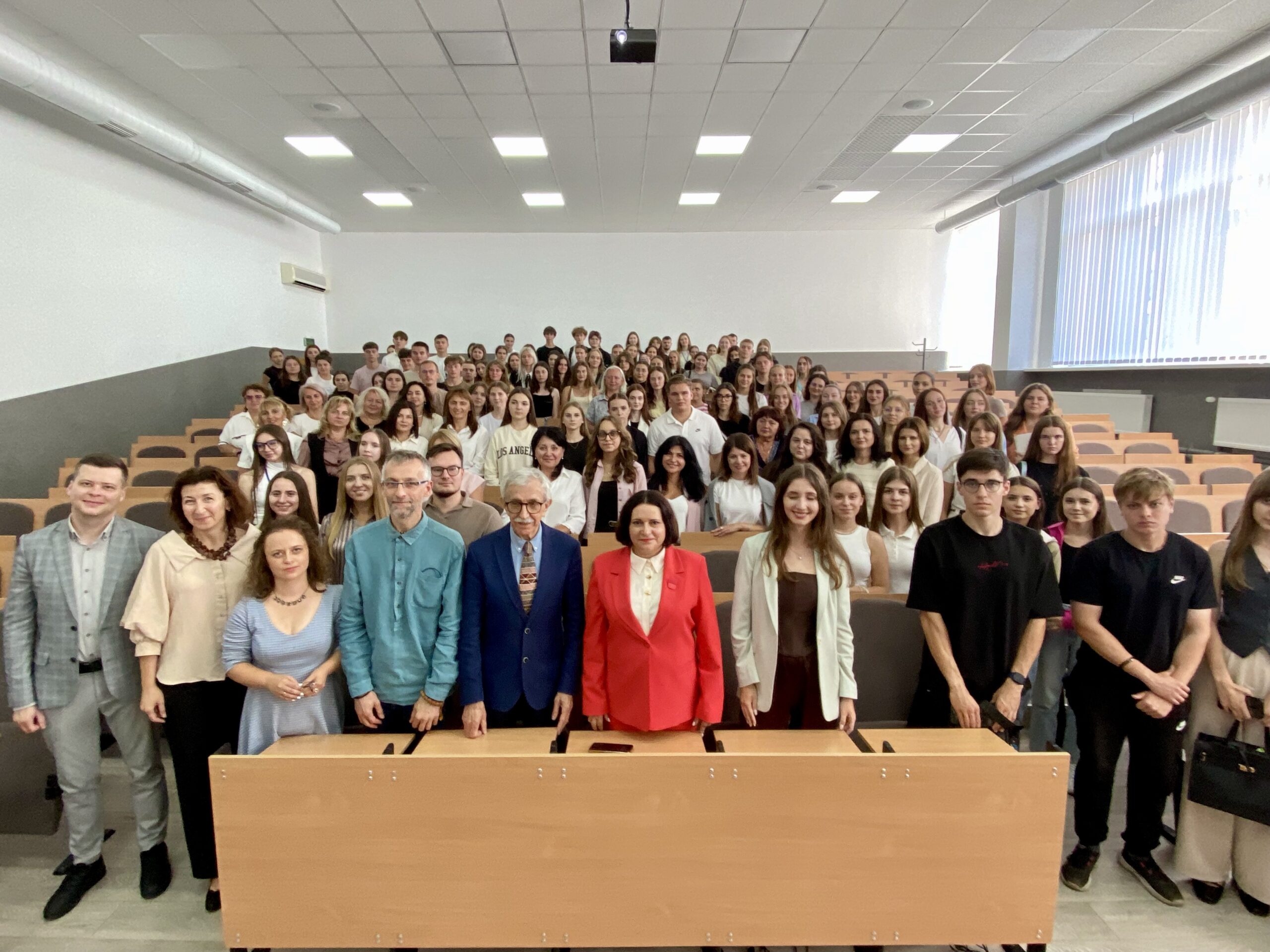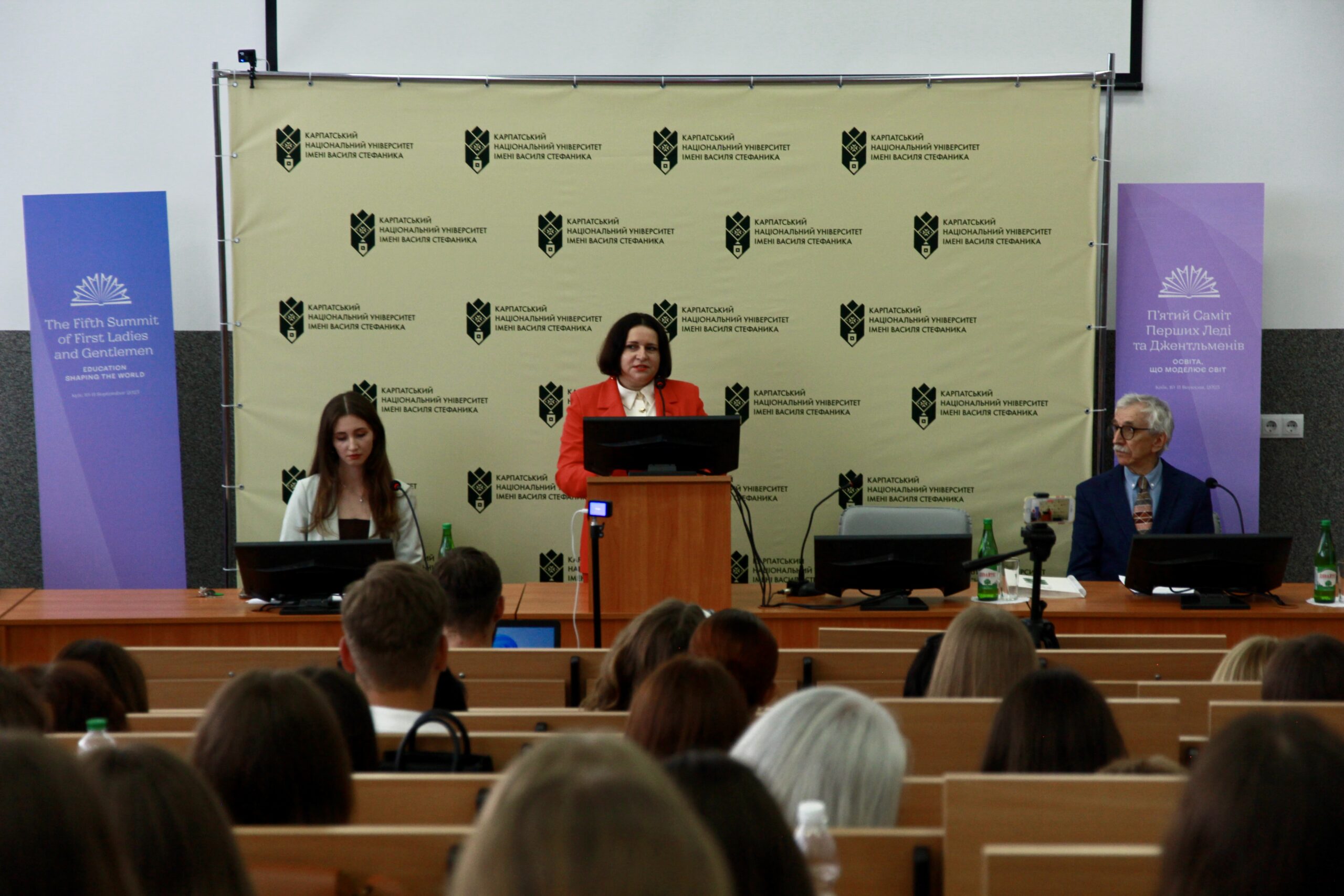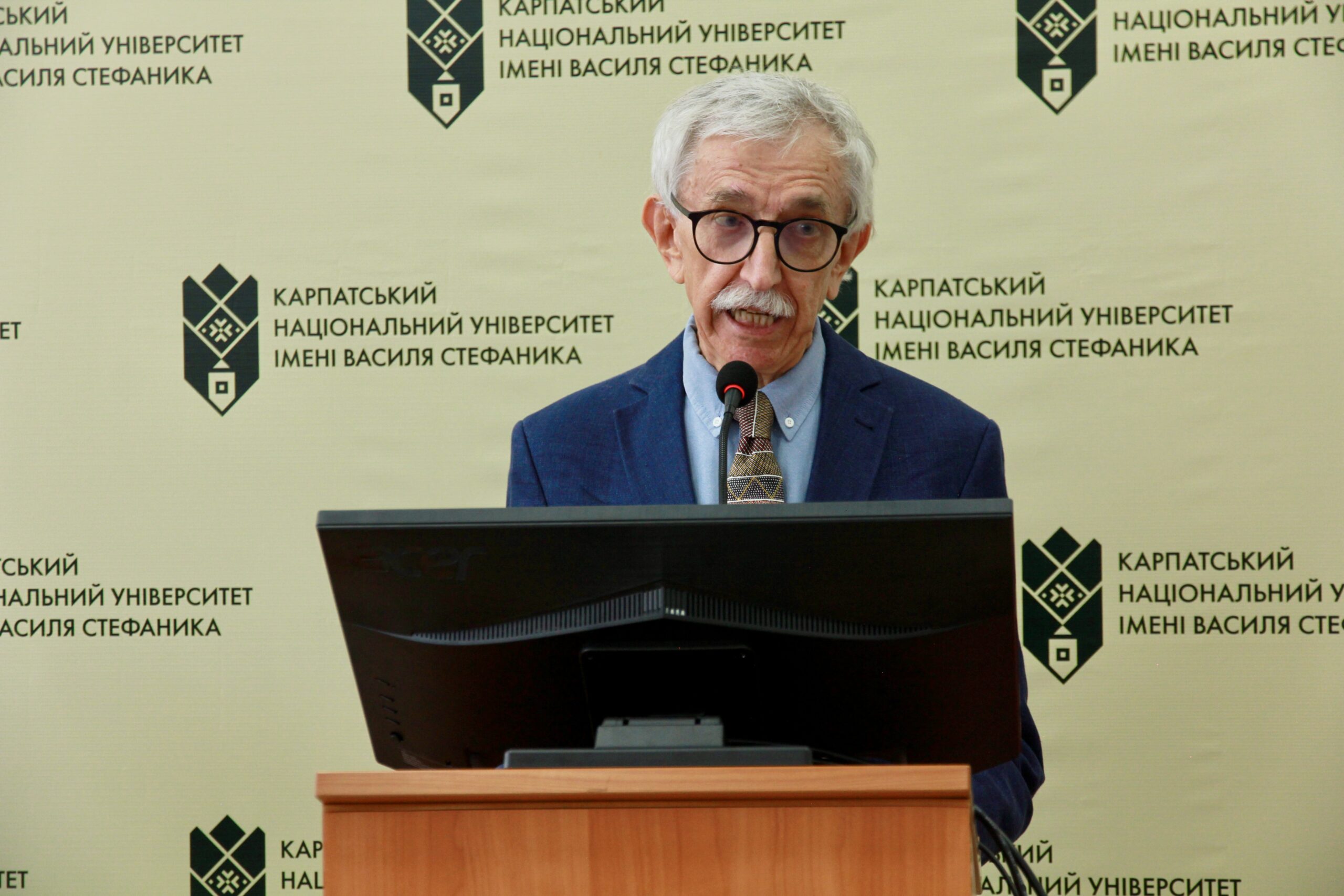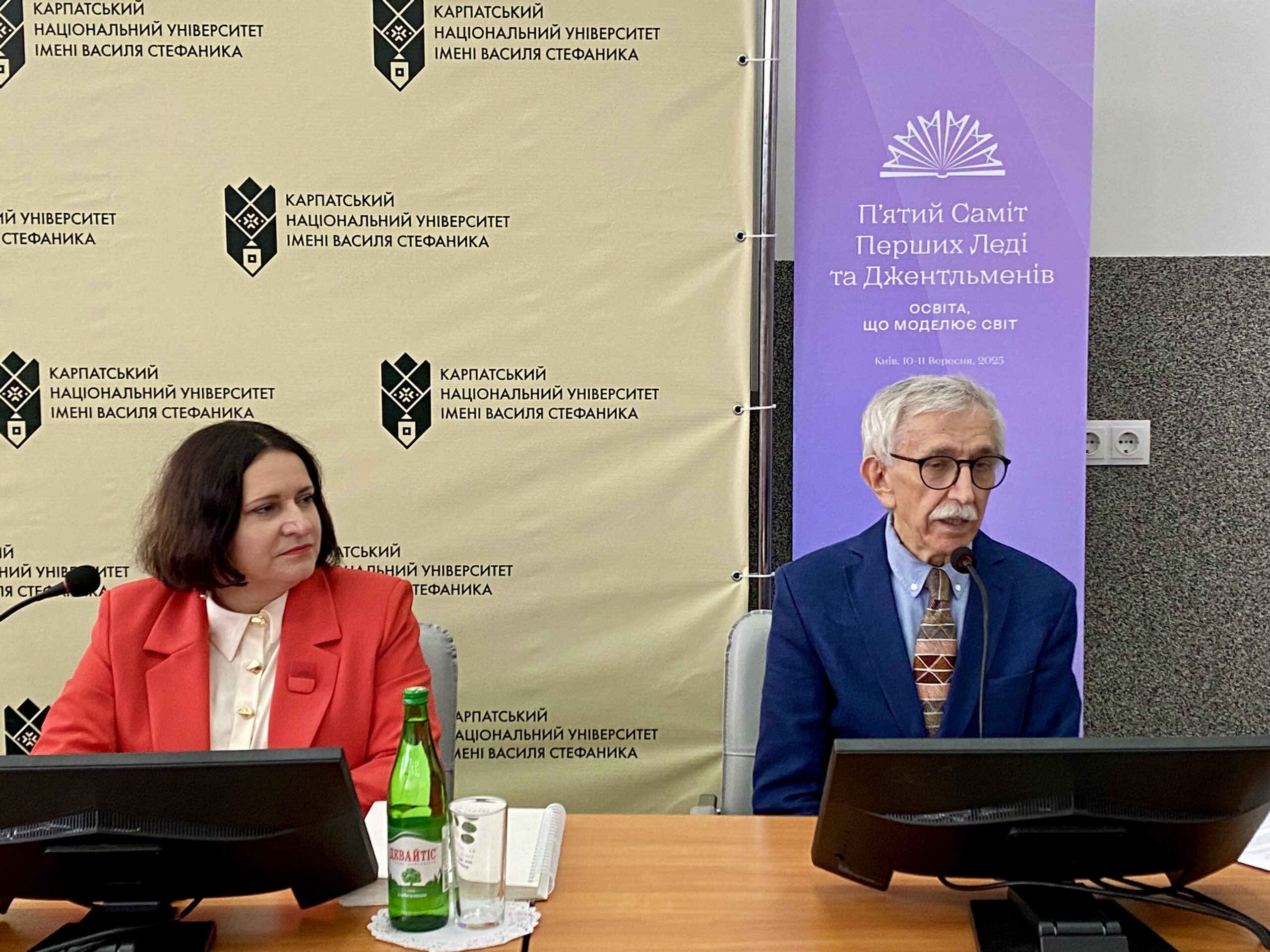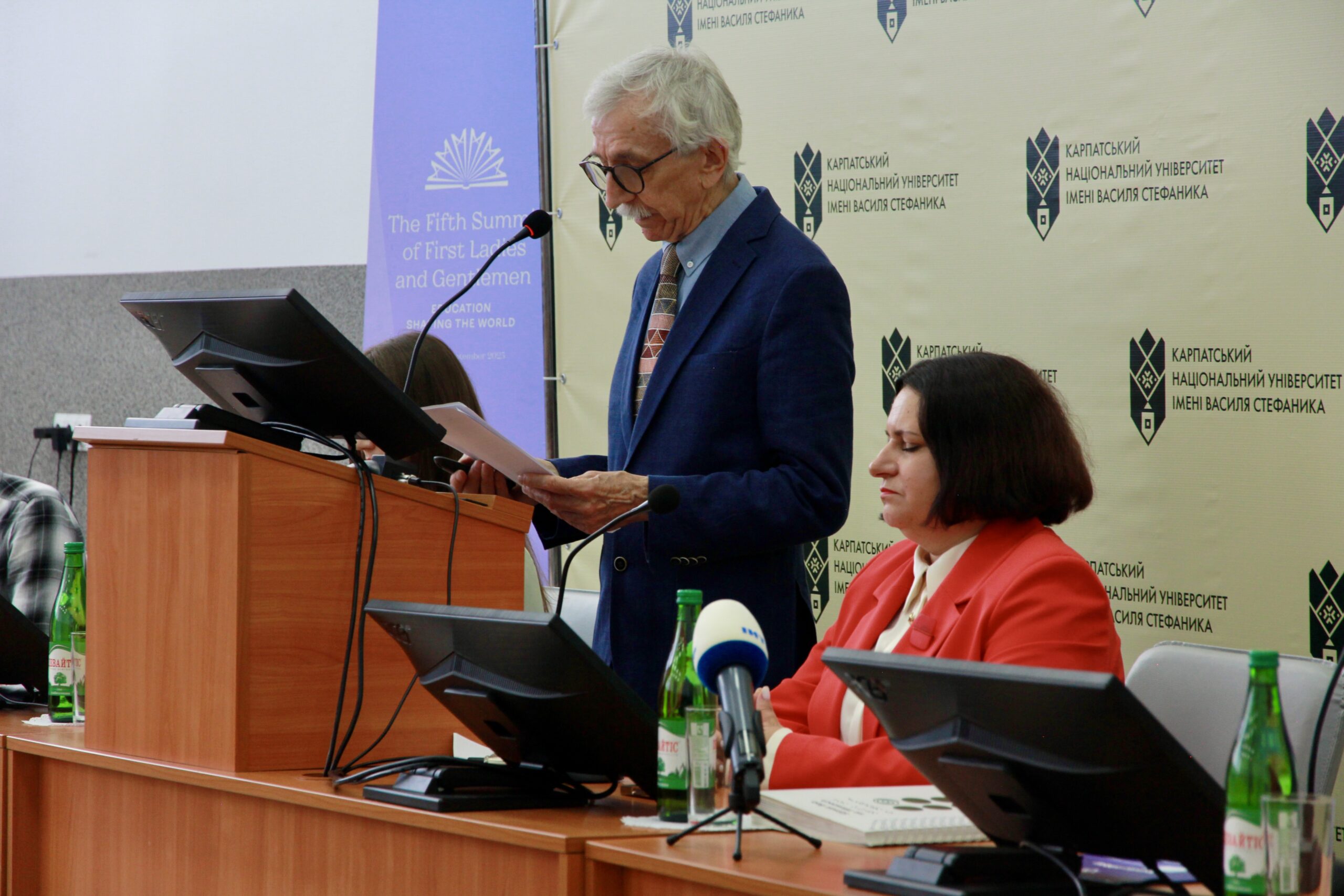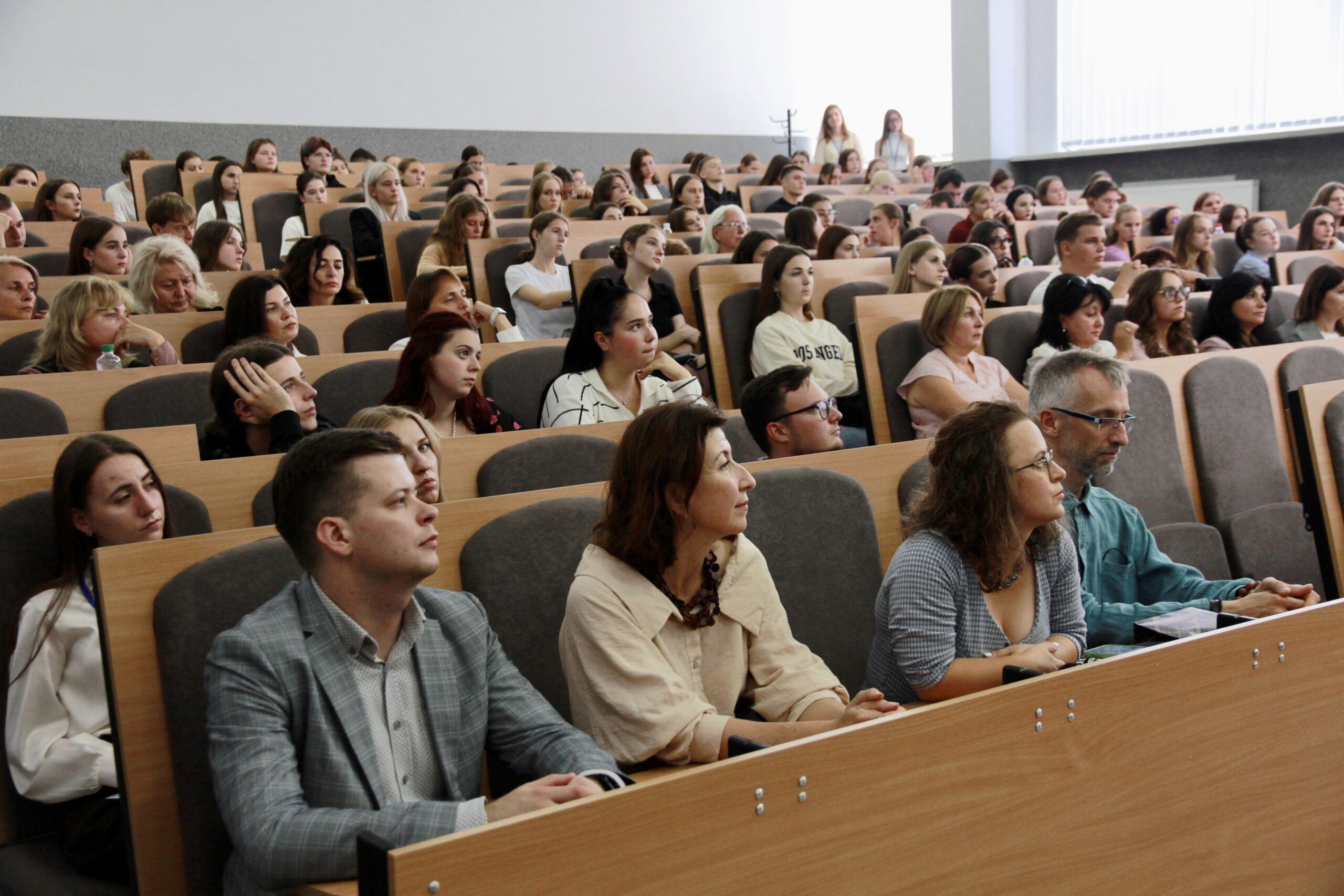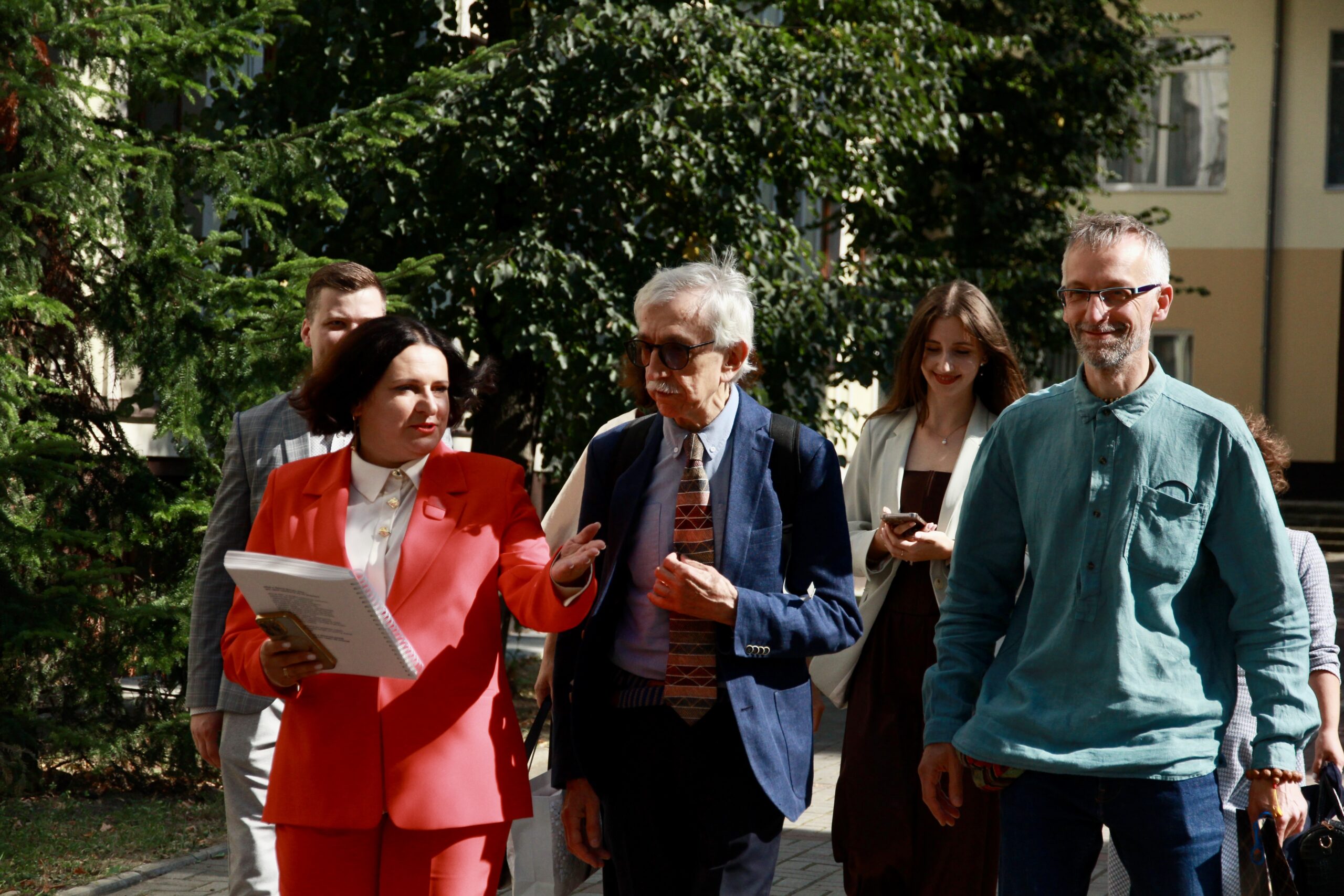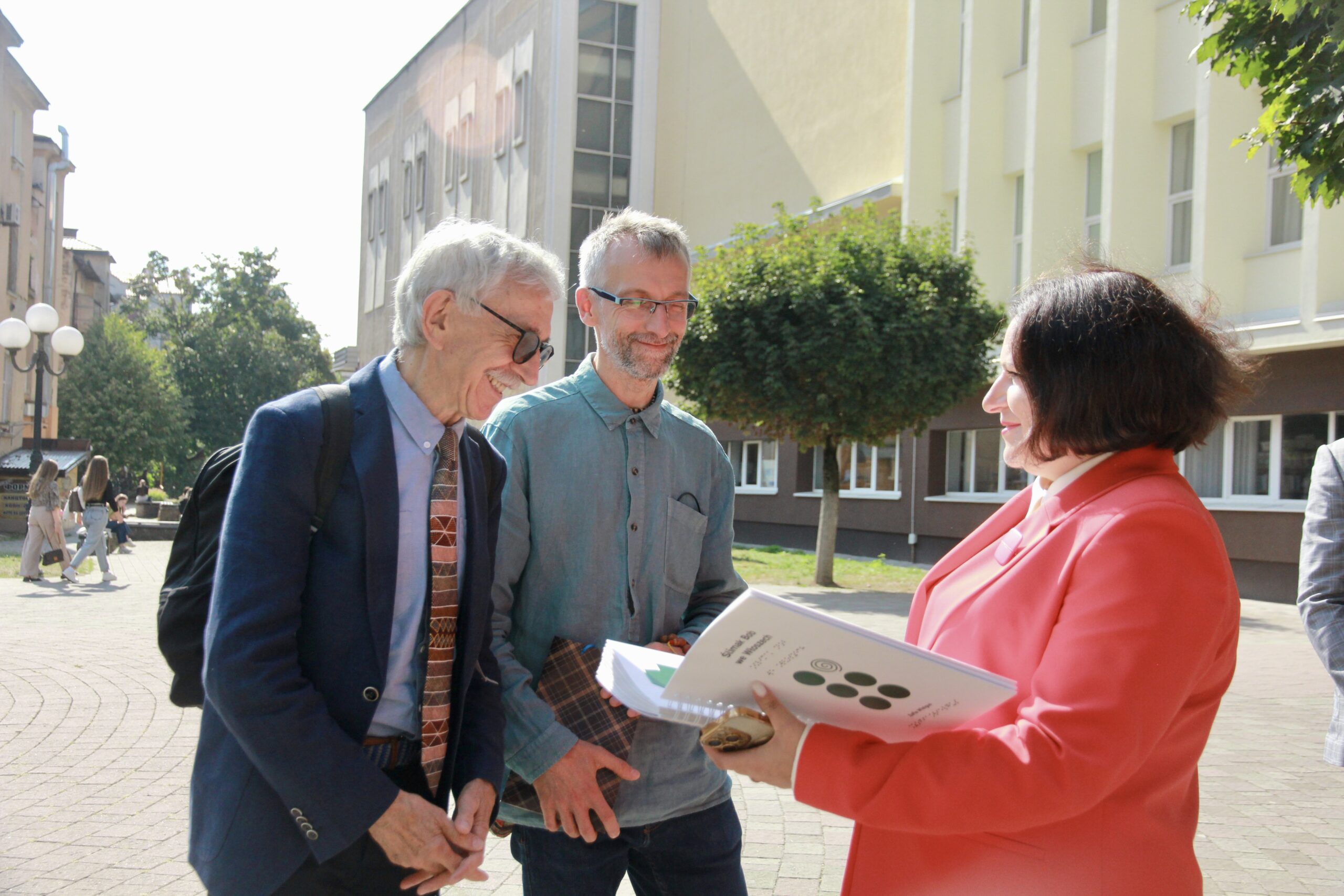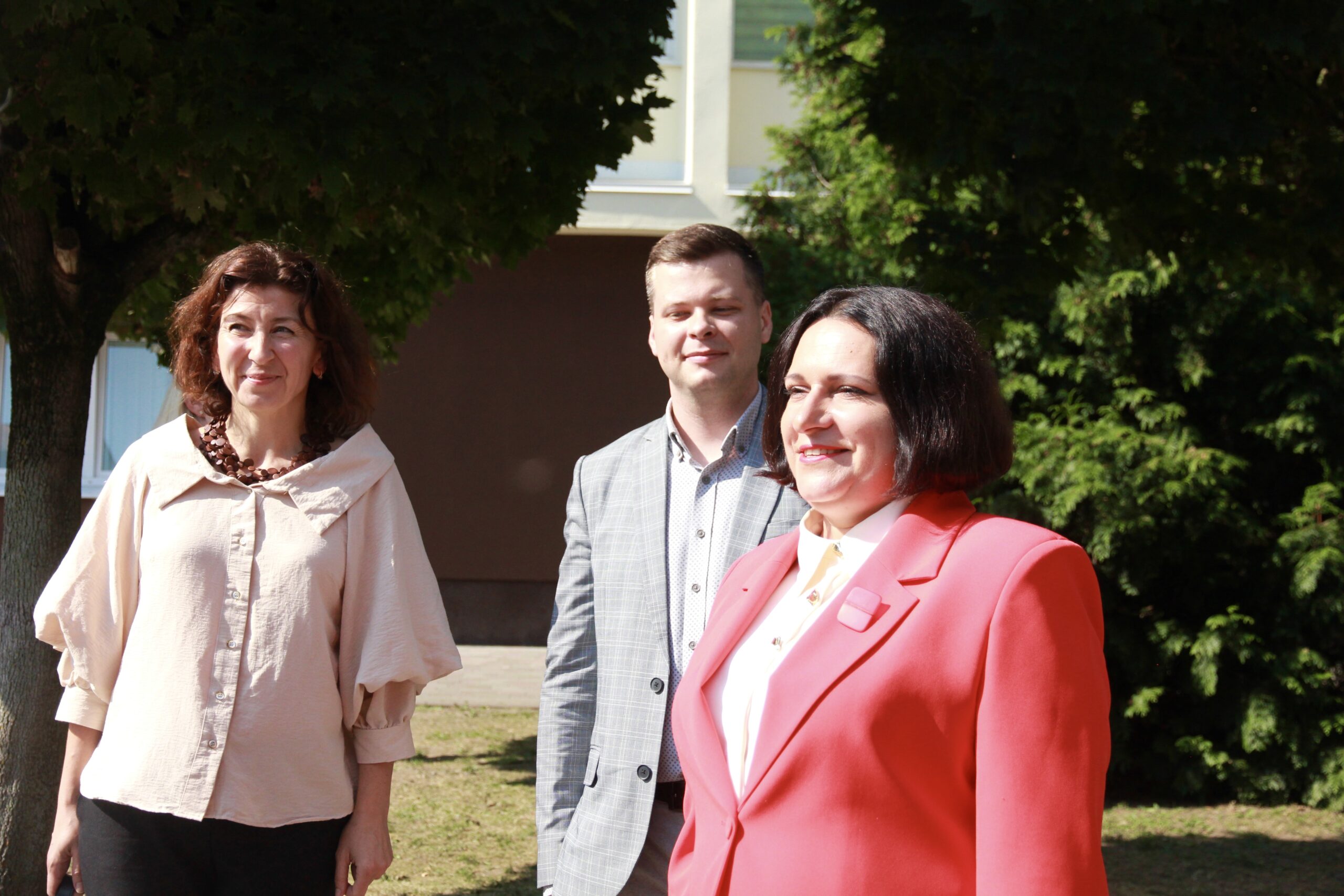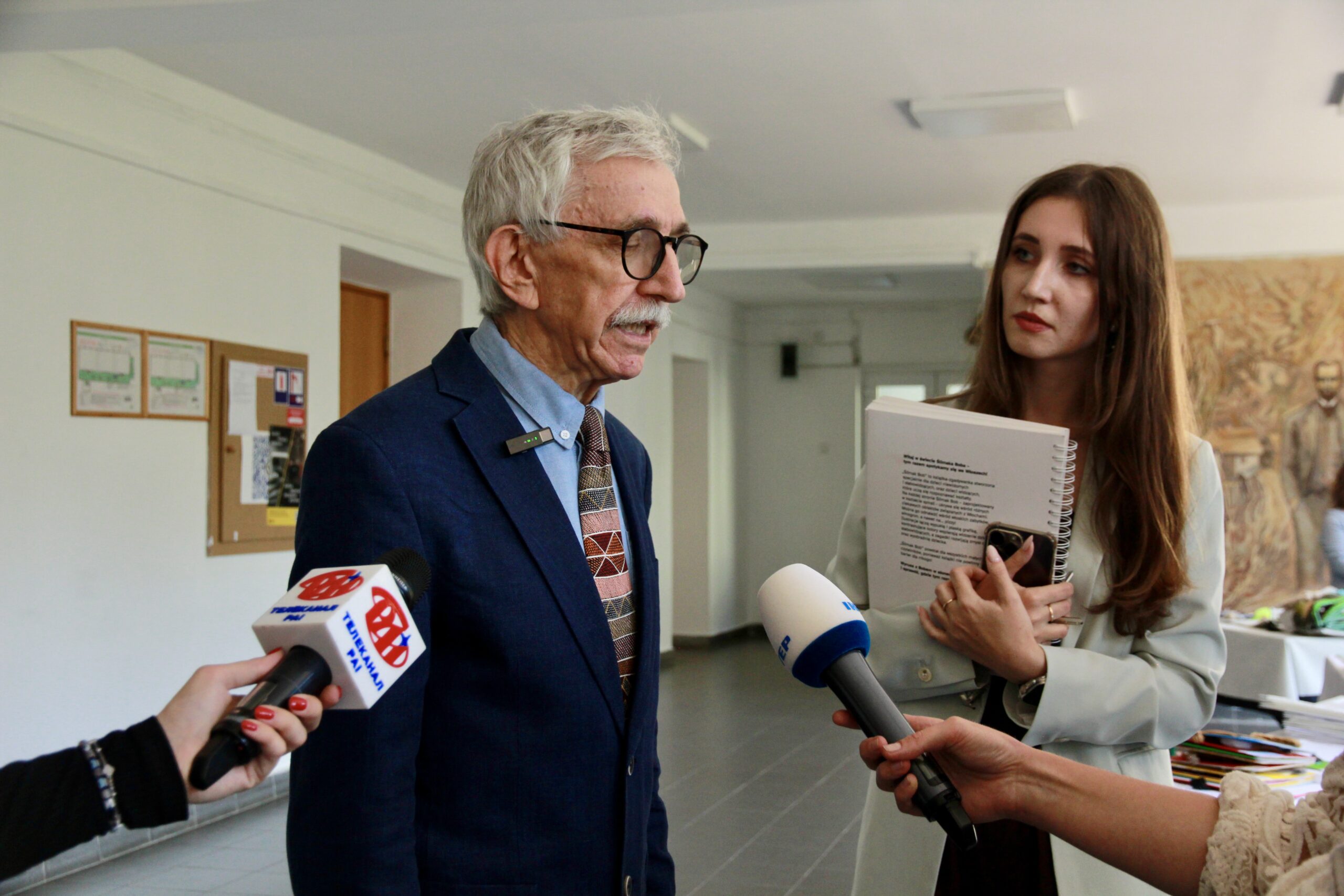
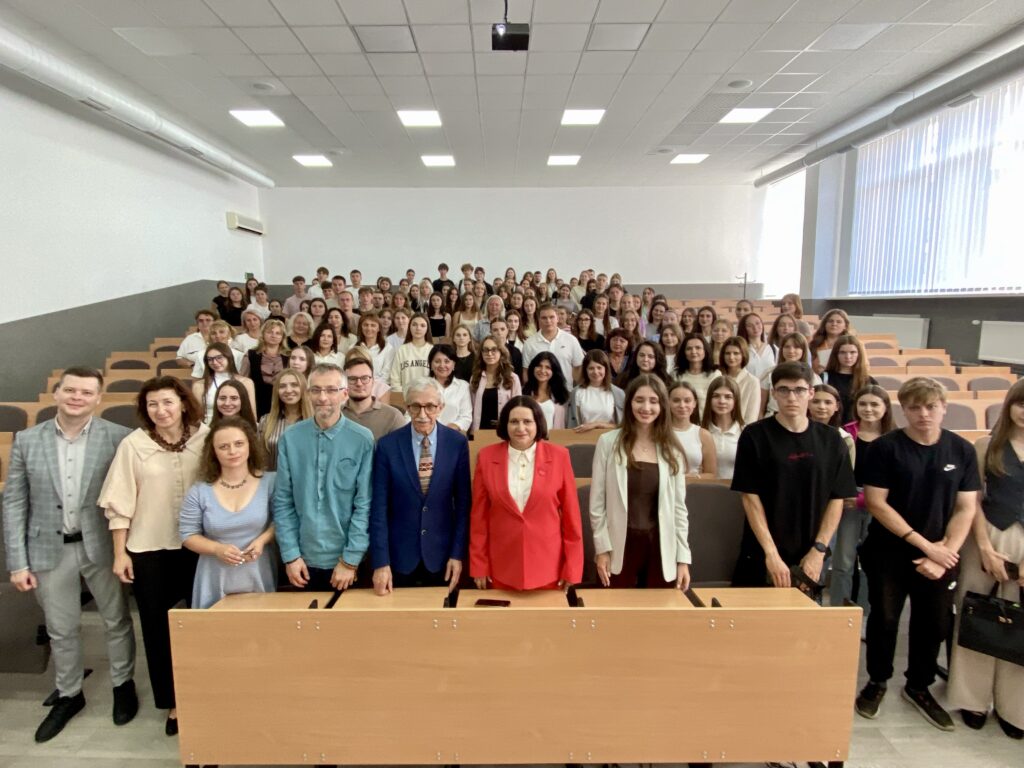
On September 10, 2025, at the Vasyl Stefanyk Carpathian National University, an open lecture was held by Professor Bogusław Marek from the John Paul II Catholic University of Lublin (Republic of Poland), ICEVI representative in Poland, on the topic: “TEACH: Technology and Education for Accessible Cultural Heritage.”
The event was coordinated by Doctor of Philosophy, Assistant of the Department of Pedagogy and Educational Management, and Head of the University Young Scientists Council, Taras Paska. Active support in organizing the lecture was provided by students of the Professional Education. Digital Technologies program — Viktoriia Burchak, Yuliia Vorobchak, Iryna Matsapula, and Vasylina Haliuk — whose teamwork and dedication were greatly appreciated.
Participants included the university leadership, students, faculty members, representatives of the academic community, and media. Notably, students from the Professional Education. Digital Technologies and Educational, Pedagogical Sciences programs attended, as the lecture topic is closely related to their future professions and is highly relevant for developing modern digital educational practices.
The lecture took place as part of the 5th Anniversary Summit of First Ladies and Gentlemen, “Education that Shapes the World,” held this year in Kyiv. The university’s First Vice-Rector, Valentyna Yakubiv, opened the event, emphasizing the importance of cultural heritage, inclusion, and digital technologies, and highlighting the university’s longstanding collaboration with Professor Marek.
During his lecture, Professor Marek addressed the accessibility of cultural heritage for people with visual impairments, focusing on modern technologies that make art and education inclusive. He presented Polish-Ukrainian initiatives, including the EU-supported project “Invisible Heritage,” and discussed their prospects in the context of contemporary challenges.
After the lecture, an active discussion took place. Students and faculty asked about practical applications of tactile technologies in schools and museums, adapting curricula, and international inclusion experiences.
The lecture was the result of several months of preparation and collaboration with international partners. Events like this not only expand the horizons of science and education but also actively shape the future.
Carpathian University will continue its collaboration with Professor Bogusław Marek, developing joint educational and cultural projects focused on inclusion, modern technologies, and the preservation of cultural heritage.